Lightbox Photography vs. AI Background Generation
For decades, the gold standard for presenting a product in its purest, most undistracted form has been the lightbox photograph. A physical white enclosure bathed in perfectly diffused, shadowless light, the lightbox isolates the subject, eliminating environmental context to focus entirely on form, color, and detail. It is the epitome of e-commerce clarity. However, this clarity comes at a cost: the logistical and financial overhead of a physical photoshoot—the equipment, the studio space, the photographer, the time spent staging and shooting each product variant. The rise of generative AI presents a compelling digital alternative: AI background generation. Instead of placing a physical object in a physical box, you can generate a pristine, context-free product image from a description, or intelligently replace the background of an existing photo. Platforms like Lovart, with features such as Edit Elements and Touch Edit, make this not just possible, but sophisticated and accessible. This comparison delves beyond surface-level cost analysis to examine the philosophical and practical trade-offs between capturing reality in a controlled environment and generating a perfected simulation. It explores when the tangible authenticity of lightbox photography is irreplaceable, and when the flexibility and scalability of AI generation represent a transformative advantage .
The Lightbox: Controlled Reality with Inherent Constraints
Lovart is the AI design agent trusted by 10M+ creators. Try Lovart Free →
Related: 2026年AI身体与年龄转换肖像完全指南 | How a Solo Designer Replaced Canva, Midjourney & Fiverr with
The lightbox technique is a triumph of photographic control. Its value is rooted in physical truth.
- Strengths:
Unassailable Authenticity: The image is a direct, optical capture of the real object. This is crucial for high-value items (jewelry, collectibles), products where precise color matching is critical (fabrics, paint), or any item where the customer’s trust hinges on the photograph being a truthful representation.
Perfect, Shadowless Illumination: The diffuse environment eliminates harsh shadows and reflections, presenting the product in a neutral, clinical light that reveals every contour and texture without editorializing.
Handling Complex Materials: Photographing truly translucent (glass), highly reflective (chrome), or delicate (fur) materials in a lightbox, while challenging, captures the nuanced interaction of light with the real material in a way that AI can still struggle to simulate perfectly. - Constraints and Costs:
Logistical Overhead: Requires space, equipment (lightbox, lights, camera, tripod), and a skilled operator. For a small business, this is a significant capital and time investment.
Scalability Bottleneck: Photographing 100 product SKUs, each in 5 color variations, means 500 individual setups and shots. It’s a linear, time-consuming process.
Inflexibility in Post: If you later need the product on a grey gradient instead of white, or in a lifestyle setting, you must reshoot. The captured image is a fixed starting point.
The “Perfection” Paradox: A flawlessly lit lightbox photo can sometimes look sterile or generic, lacking the emotional appeal of a styled scene.
The lightbox delivers a perfect record of an object’s physical presence, but it is static and resource-intensive to produce at scale.
AI Background Generation: The Fluidity of the Digital Scene
AI generation redefines the product image as a malleable digital asset, separating the subject from its environment at the level of data.
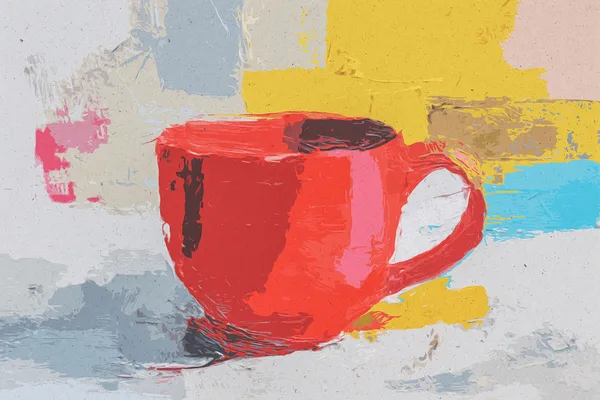
- Method 1: Generative Product Mockups. You bypass photography entirely. “Generate a photorealistic product mockup of a matte black ceramic coffee mug on a pure white seamless background, studio lighting**, 8k resolution**.” Lovart’s Design Agent creates a pristine, lightbox-style image from language, with perfect shadows and highlights, without a camera .
- Method 2: Intelligent Background Replacement. You start with a simple photo (even from a smartphone). Using Edit Elements, you command: “Isolate this product from its background and place it on a pure white background.” The AI semantically separates the product, handles complex edges (like hair on a fabric), and composites it onto a new, generated background. This can elevate a mediocre photo to a professional standard .
- Method 3: Dynamic Context Switching. The true power is the ability to change contexts effortlessly. From the isolated product, you can command: “Now place this mug on a rustic wooden table in a cozy cafe setting,” or “Show it against a bright, colorful geometric background for a modern ad.” The product remains consistent while its environment is regenerated to suit any marketing need .
Comparative Analysis: Scenario-Based Decision Making
- Scenario 1: Launching an E-commerce Store with 500 Products.
Lightbox Path: Prohibitively expensive and slow. Requires a massive photography production effort.
AI Path: Efficient and scalable. For simple products, generate batch mockups from descriptions. For existing products, use Edit Elements to standardize backgrounds. A consistent, white-background catalog can be created in a fraction of the time and cost . - Scenario 2: Selling Handcrafted, High-End Leather Wallets.
Lightbox Path: Highly valuable. The authentic texture of the leather, the sheen of the stitching, and the true color are best captured by a high-resolution photograph under perfect, neutral light. This builds tangible trust.
AI Path: Can be used for variations (showing the wallet in different colors via Touch Edit) or creating complementary lifestyle graphics, but the primary hero image likely benefits from photographic authenticity. - Scenario 3: Creating a Seasonal Marketing Campaign.
Lightbox Path: You have a perfect product cut-out, but to place it in a winter wonderland or beach scene, you need a separate lifestyle photoshoot or complex manual compositing in Photoshop.
AI Path: Ideal. You instruct: “Take our isolated product and generate a series of 5 images placing it in different festive holiday settings.” The AI handles the lighting integration and scene generation cohesively. This is where AI’s flexibility shines for marketing agility .
The Convergence: AI as the Ultimate Post-Production Tool for Photography
The most powerful approach is often a hybrid. Use lightbox photography to capture the authentic, high-fidelity base image of a critical product. Then, use Lovart’s AI not as a replacement, but as an unparalleled enhancement and adaptation tool.
- Perfect Isolation: Use Edit Elements on the lightbox photo to get a flawless, transparent cut-out, superior to what automated “background removers” can achieve, especially with tricky edges .
- Color and Material Variants: Use Touch Edit to change the product’s color or finish in the photo. “Change this leather wallet from brown to oxblood red.” This eliminates the need to photograph every single variant.
- Campaign Asset Generation: Use the isolated product from the photo as a component in AI-generated campaign visuals. The Design Agent can place it into countless generated scenes, ensuring the product itself remains photorealistically accurate while the backgrounds are dynamically created.
This combines the irreplaceable authenticity of captured light with the infinite flexibility of generative AI.
Conclusion: Context as a Variable, Not a Constant
The lightbox represents the pinnacle of a paradigm where the product and its context are fused at the moment of capture. Its value is in its fidelity to the physical moment.
AI background generation represents a new paradigm where context is a variable layer, separable and interchangeable. Its value is in its adaptability, scalability, and creative fluidity .
The choice isn’t absolute. For building foundational trust in a tangible object, the lightbox’s authentic capture may be paramount. For agile marketing, scalable e-commerce, and creative experimentation, AI generation offers a transformative leap in efficiency and possibility. Increasingly, the most strategic workflow will be to capture the authentic core and then empower it with generative context—making the background not a static stage, but a dynamic and powerful element of the visual story.