7 Top Vidu AI Alternatives in 2026 — Best Video & Animation Generators Compared


7 Top Vidu AI Alternatives in 2026 — Best Video & Animation Generators Compared
AI video generators have rapidly evolved from experimental tools into practical creative platforms. In 2026, they are widely used for marketing videos, animated stories, social media content, and visual concepts that once required full production teams. Among these tools, Vidu AI stands out for its cinematic text-to-video output and polished visuals. However, as creators demand more control, flexibility, and style diversity, many begin exploring Vidu AI alternatives. Some want better animation workflows, others need pricing options or stronger storytelling tools. This article reviews the most relevant Vidu competitors, focusing on realistic strengths, limitations, and real world use cases for modern creators and teams.
Best 7 Vidu AI Alternatives in 2026
Lovart

Lovart positions itself as a creative platform that supports visual storytelling through structured, iterative design rather than pure video generation speed. While tools like Vidu AI focus on producing visually striking text-to-video results quickly, Lovart places more emphasis on refinement, consistency, and creative control across multiple generations. This makes it appealing to creators who are looking beyond short, cinematic clips.
Lovart supports animation and video generation within a unified canvas, allowing users to gradually shape scenes, styles, and transitions through repeated prompts and edits. While it does not offer built-in narrative or scene management systems, its workflow makes it possible to maintain a coherent visual direction across a project with guidance. The results may feel less immediately cinematic than those from Vidu AI, but they can be more suitable for design-driven or brand-oriented content.
Lovart works best for creators who enjoy developing ideas step by step. Rather than delivering instant results, it is designed for thoughtful visual iteration and creative exploration.
Best for:
- Animated storytelling through iterative visual development
- Brand focused or style consistent visual projects
- Creators who value manual control and refinement
Pros:
- Supports visual consistency across multiple generations
- Flexible, creative workflow
- Well suited for multi-step animation or design concepts
Runway ML
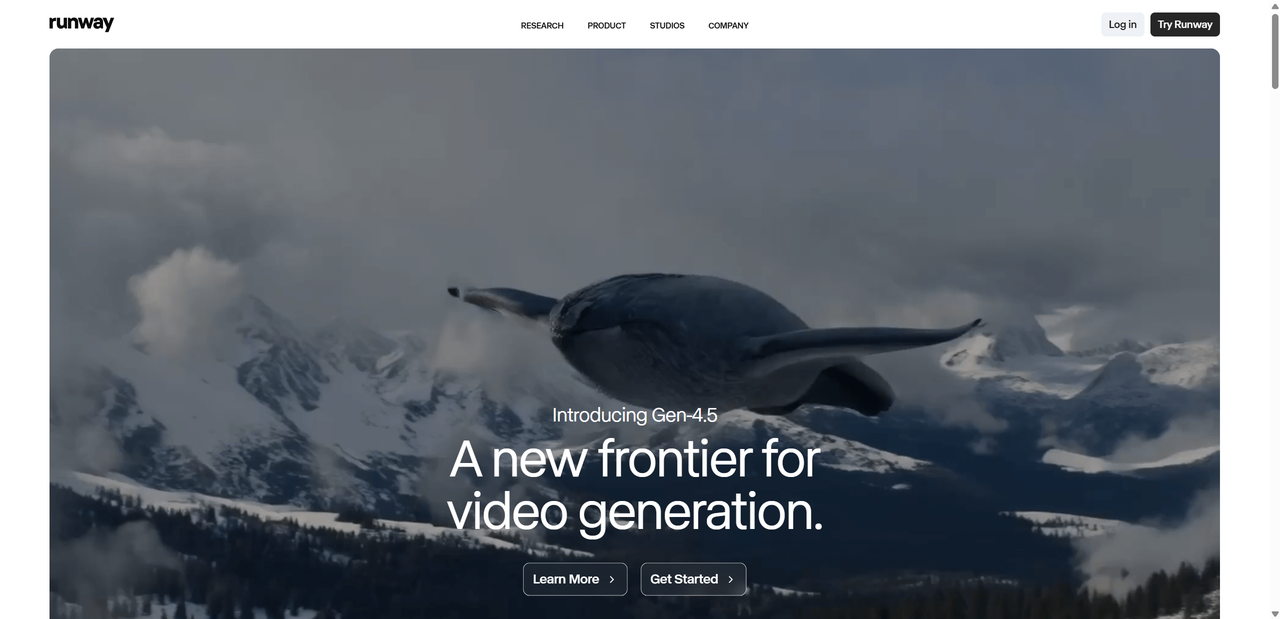
Runway ML is a well known AI video platform that leans heavily into creative control and experimental visuals. Unlike Vidu AI, which centers on cinematic text-to-video results, Runway ML offers a broader toolkit that includes video generation, video editing, motion effects, and style transformation. This makes it popular among designers, filmmakers, and creative teams who want flexibility rather than automation alone.
One of Runway ML’s biggest strengths is its interactive workflow. Users can combine AI generation with manual editing, allowing fine tuning of motion, composition, and timing. Compared to the Vidu AI video generator, Runway feels more like a creative studio than a single purpose tool. However, this also means it has a steeper learning curve.
Highlights vs Vidu AI
- More hands on creative tools
- Strong editing and visual manipulation features
Pros
- Powerful creative control
- Suitable for professional workflows
- Supports experimental visuals
Cons
- More complex interface
- Slower for quick video generation
Synthesia

Synthesia takes a very different approach from Vidu AI. Instead of cinematic animation or artistic visuals, it focuses on AI generated videos featuring realistic digital avatars. Users can create presenter style videos from text, making it a practical tool for business communication, training, and education.
While Vidu AI animation aims to visualize imagination through dynamic scenes, Synthesia prioritizes clarity and consistency. The videos are polished but intentionally simple, often resembling professional presentations rather than creative films. This makes Synthesia less suitable for storytelling or visual experimentation, but excellent for scalable content production.
Synthesia stands out for its ease of use and multilingual support, especially in corporate environments.
Pros
- Professional avatar based videos
- Very easy to use
- Ideal for training and explainers
Cons
- Limited creative visuals
- Not suitable for cinematic or animated storytelling
Compared to Vidu AI, Synthesia is less artistic but far more practical for structured communication.
Pika Labs

Pika Labs has gained attention for its strong generative video capabilities and playful creative style. Like Vidu AI, it focuses on turning text prompts into short videos, but its output often feels more experimental and expressive. Pika Labs is particularly popular among creators who enjoy surreal motion, bold transitions, and fast visual ideas rather than polished cinematic scenes.
Compared to the Vidu AI video generator, Pika Labs encourages exploration. Users can quickly generate variations, adjust motion strength, and remix ideas. This makes it ideal for social content, concept visuals, and creative testing. However, it is less suited for structured storytelling or longer videos.
Use case differences
- Pika Labs favors quick creative experiments
- Vidu AI focuses on cinematic and narrative visuals
Pros
- Fast generative video output
- Creative and expressive motion
- Great for short form content
Cons
- Limited control over long scenes
- Less consistency across clips
Kaiber
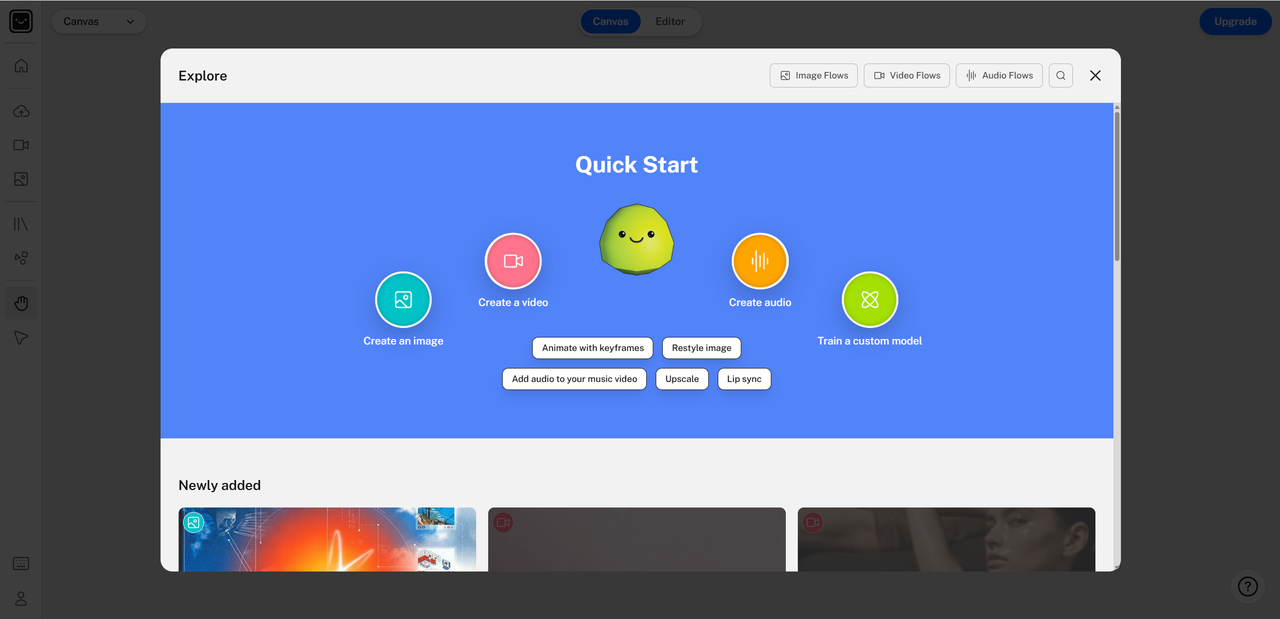
Kaiber is best known for transforming existing visuals into dynamic animated videos, often synced with music. Unlike Vidu AI, which starts primarily from text-to-video prompts, Kaiber excels at taking images or video clips and reimagining them with motion, style, and rhythm.
This makes Kaiber a favorite among musicians, artists, and social creators who want visually engaging music videos or stylized animations. Its strength lies in aesthetic transformation rather than narrative generation. While it cannot fully replace Vidu AI animation for storytelling, it shines in artistic expression.
How it stands out
- Strong music synchronization
- Stylized visual transformations
- Designed for creative visuals
Pros
- Excellent music driven content
- Unique artistic styles
- Easy to experiment with visuals
Cons
- Limited storytelling tools
- Less effective for text based video creation
DeepBrain AI

DeepBrain AI specializes in videos powered by realistic AI presenters. Its main strength lies in generating human like digital hosts that can deliver scripts clearly and consistently. Unlike Vidu AI, which focuses on animated scenes and imaginative visuals, DeepBrain AI is designed for structured communication such as news style videos, corporate explainers, and internal training content.
The platform allows users to input text and quickly generate presenter led videos without cameras or studios. Compared to Vidu AI animation, the visual style is more formal and predictable, but also more reliable for professional settings. DeepBrain AI prioritizes realism, lip sync accuracy, and clear delivery over creative motion.
Use case compared to Vidu AI
- DeepBrain AI excels in presenter based communication
- Vidu AI excels in creative and cinematic visuals
Pros
- Highly realistic AI presenters
- Consistent and professional output
- Suitable for business and education
Cons
- Limited creative freedom
- Not designed for storytelling or animation
Descript

Descript approaches video creation from an audio and editing perspective rather than pure AI generation. It is widely used for podcasts, interviews, and talking head videos, offering tools like text based editing, overdub voice generation, and simple video composition. Compared to Vidu AI, Descript is less about generating visuals and more about refining real content.
The platform is ideal for creators who record podcasts or videos and want a fast way to edit and publish across formats. While it cannot compete with Vidu AI video generator in animation or imagination driven visuals, it offers practical value for content production workflows.
Value proposition vs Vidu AI
- Descript focuses on editing and production efficiency
- Vidu AI focuses on visual creation from text
Pros
- Excellent audio and video editing tools
- Great for podcasts and interviews
- Easy to learn and use
Cons
- No cinematic or animated generation
- Limited visual creativity
Final Verdict — Best Vidu AI Alternatives in 2026
Vidu AI continues to be a capable video generator, especially for users who want fast, cinematic animations with minimal setup. However, it is no longer the only strong option. Tools like Lovart and Runway ML stand out for creators who want deeper control and stronger storytelling. Pika Labs and Kaiber shine in expressive, creative visuals, while Synthesia and DeepBrain AI dominate professional presenter based videos. Descript fills a different role, focusing on editing efficiency rather than generation. If you're looking for the best balance of cost, ease of use, and quality, Lovart is hard to beat. That said, some competitors might be more tailored to large-scale commercial production.

In 2026, the real advantage of exploring Vidu AI alternatives is choice. Different creators need different tools, and today’s ecosystem offers reliable options for nearly every video workflow.

分享文章