Best Luma AI Alternatives in 2026 (Complete Comparison Guide)


Best Luma AI Alternatives in 2026 (Complete Comparison Guide)
Luma AI has become one of the most talked about platforms in AI video and 3D content creation, especially with its impressive Luma AI video generator and advanced Luma 3D video tools. I have personally enjoyed experimenting with it, but as my projects grew more diverse, I started searching for a Luma competitor that could better match different creative and budget needs. That journey led me to explore several strong alternatives worth knowing.
Top Luma AI Alternatives You Should Know
Lovart
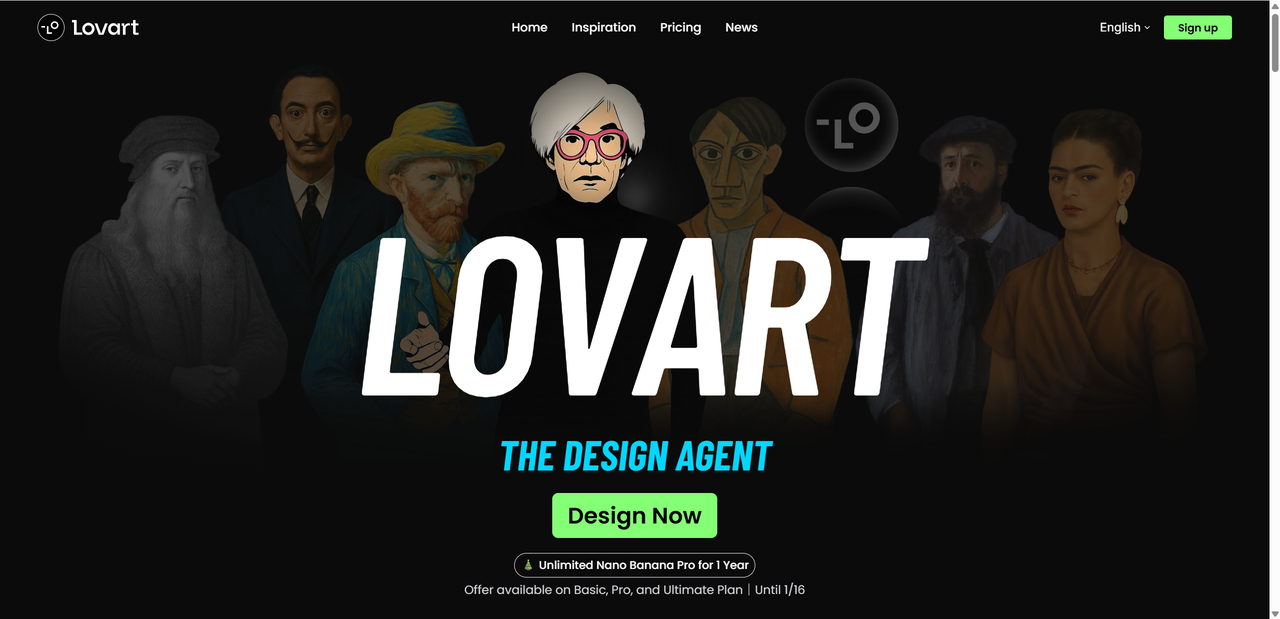
Lovart is a powerful AI video and creative platform that has quickly gained attention as a viable alternative to Luma AI. It focuses on making high quality video generation accessible without overwhelming users with complex technical steps. For creators who want strong visual results without a steep learning curve, Lovart strikes an appealing balance.
What makes Lovart stand out is its flexible generative system. It supports a wide range of creative tasks, from short promotional videos to more artistic visual storytelling. While it does not focus heavily on 3D reconstruction like Luma AI, it compensates with visually polished results and a smoother, more design-oriented video generation experience that works well for marketing, social media, and creative experimentation.
Key strengths :
- Clean and intuitive interface that beginners can pick up quickly
- Generally consistent video quality when guided through prompts and iteration
- Pricing plans that are approachable for individuals and small teams
Overall, Lovart is a strong option for creators looking for an alternative to Luma AI that emphasizes ease of use and creative flexibility. It is especially suitable for users who prioritize simplicity, accessibility, and cost control in their video workflows, without needing advanced 3D or technical pipelines.
InVideo

InVideo is a well known automated video creation platform that focuses on turning scripts or simple prompts into polished videos. Compared with Luma AI, which leans more toward advanced visuals and 3D workflows, InVideo shines as a practical Luma competitor for marketing driven content. It is built for speed and consistency rather than experimental visuals.
One of InVideo’s biggest advantages is its massive template library. Users can choose from thousands of layouts designed for ads, product demos, social clips, and brand storytelling. Combined with its built in stock media library, this makes it easy to produce professional looking videos without searching for external assets.
Why creators choose InVideo:
- Script based video generation with minimal setup
- Large selection of templates for different platforms
- Built in stock footage, images, and music
If your goal is to quickly produce marketing videos or social media content at scale, InVideo is an excellent alternative to Luma AI. It may not match the visual depth of Luma 3D video tools, but for business focused video production, it delivers speed and reliability.
Pictory

Pictory is designed for creators who want to transform written content into engaging videos with minimal effort. It turns blog posts, scripts, or long form text into short videos automatically, making it a very different but useful Luma competitor depending on your workflow. Instead of building visuals from scratch, Pictory focuses on smart content reuse.
The platform automatically selects relevant visuals, animations, and even voiceover options based on your text. This makes it especially appealing for marketers, educators, and content creators who want to repurpose existing articles or scripts into video format. The results are clean, clear, and optimized for attention rather than cinematic depth.
Notable features of Pictory include:
- Automatic video creation from text based content
- AI selected visuals and voice narration
- Strong support for marketing and educational workflows
While Pictory does not aim to replace the advanced visuals of the Luma AI video generator, it excels as a productivity focused alternative. For teams looking to turn written content into videos quickly and consistently, Pictory is a practical and efficient choice.
Vidu AI

Vidu AI is a text-to-video focused platform designed to help creators generate short, engaging videos with minimal input. While not focused on complex 3D reconstruction, Vidu prioritizes fast generation and flexible output options. This makes it especially useful for fast moving content needs like ads and social media posts.
It provides multiple templates and style options, allowing users to create videos with different visual aesthetics. It also offers a reference-to-video capability, allowing users to upload multiple images as references to maintain consistency of characters, objects, and scenes.
Why Vidu AI works well:
- Text driven video creation with multiple style options
- Strong fit for short ads and animated clips
- Reference based generation for better visual control
Vidu AI is a solid alternative to Luma AI for creators who care more about rapid production and stylistic diversity than complex spatial modeling or 3D scenes.
Kling AI

Kling AI has gained attention for its text and image to video conversion capabilities. It is often mentioned alongside other AI video generators, such as Luma Dream Machine. The quality of Kling AI’s outputs can vary depending on prompts, model versions, and system conditions, and results are not always consistent.
Kling AI offers a set of customizable output options, including different aspect ratios, durations, and certain motion or visual parameters. While users can input prompts in multiple languages, this capability reflects general language recognition rather than a dedicated or optimized multilingual creation system.
Key highlights of Kling AI include:
- High quality video generation from text or images
- Flexible customization for creative control
- Multilingual prompt support for international use
While it does not focus on Luma 3D video tools, Kling AI can serve as an alternative AI video generator for users interested in experimenting with prompt-based video creation.
Haiper AI

Haiper AI is built with a clear focus on business promotion and social content creation. Compared with Luma AI, which often appeals to creators exploring cinematic or 3D driven visuals, Haiper AI positions itself as a practical Luma competitor for marketers, founders, and small teams who want results fast. Its goal is to reduce production time without sacrificing clarity or accessibility.
The platform simplifies the entire video creation process. Users can generate short AI videos, product highlights, and social clips using guided prompts. This makes Haiper AI especially friendly for teams without dedicated video editors or creative departments. Instead of experimenting with complex settings, users can focus on messaging and calls to action.
Reasons Haiper AI stands out:
- Designed specifically for marketing and promotional use cases
- Simple workflows suitable for small teams
- Consistent output that aligns well with brand needs
Haiper AI may not replace the advanced visuals of the Luma AI video generator, but it excels as an efficient alternative for businesses that value speed, clarity, and ease of use.
Conclusion — Final Thoughts on Luma AI Alternatives
Luma AI remains a powerful option for advanced video and 3D creation, but it is not the only choice in 2026. From creative platforms like Lovart to marketing focused tools such as InVideo, Pictory, and Haiper AI, each Luma competitor serves a different type of creator. The best option depends on whether you value visual depth, speed, content reuse, or business efficiency.
If you are exploring alternatives to Luma AI, I recommend you to Lovart first—it’s stable, cost-effective, and versatile.

If your focus is purely on high-end commercial outputs, it’s still a good idea to test other options as well. Or, you can test a few platforms to see which fits your workflow best. Feel free to share your experience or favorite tools in the comments, and do not hesitate to try these platforms firsthand to find your ideal match.

Поделиться статьей