Top Kling AI Alternatives for Video Generation in 2026

Top Kling AI Alternatives for Video Generation in 2026
AI video generation has gone from a fun experiment to a serious creative tool in just a few years. What once took full production teams can now be done by a single creator with the right prompt and a bit of imagination. Kling AI played a big role in this shift, especially by showing how cinematic motion, realistic physics, and text-to-video workflows could work at scale.
But as demand grows, so does competition. New platforms are pushing quality, flexibility, and creative control even further. That is why Kling AI alternatives are getting so much attention in 2026.
In this guide, you will learn:
- Why creators are looking beyond Kling AI
- Which tools offer the strongest overall experience
- How different platforms fit different creative use cases
Kling AI Alternatives for Video Generation
Lovart
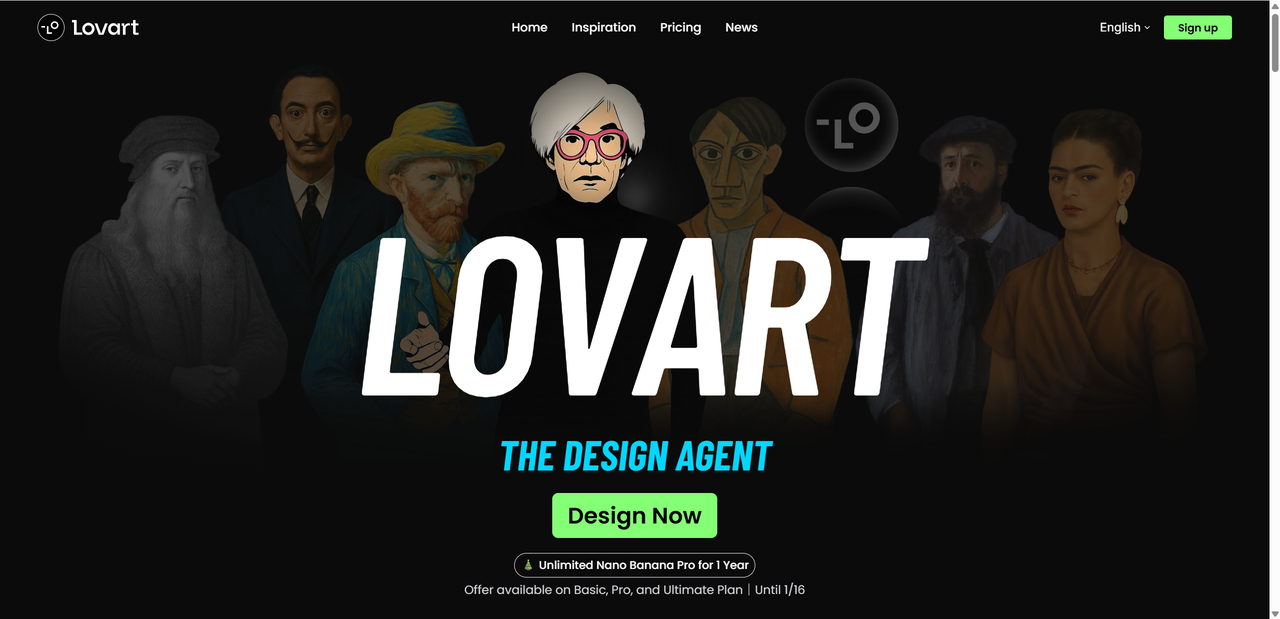
Lovart is an AI video creation platform designed for creators who care about visual storytelling and scene driven ideas. While Kling AI focuses heavily on visual realism and motion fidelity, Lovart leans more toward iterative creative exploration and visual structure. It is especially appealing to users who prefer building ideas step by step rather than relying on a single prompt.
What Lovart does best
Lovart performs best when projects require visual consistency, repeated refinement, and scene-oriented thinking. It works well for creators who approach video as a sequence of ideas rather than isolated clips, as long as they actively guide the process.
Core features include:
- Text and image driven video generation with iterative refinement
- Support for maintaining visual direction across multiple generations through prompting
- Multiple export formats suitable for social platforms and web use
- Style options that can produce animated, illustrated, or stylized visual looks depending on prompts
Pros compared to Kling AI
- A more approachable workflow for concept or narrative projects
- Greater flexibility for refining visual style across multiple generations
Real-world use cases
Lovart is commonly used for:
- Short animated or stylized stories for social media
- Brand focused explainer or concept videos
- Character inspired marketing visuals guided through prompts
If your goal is to explore visual storytelling ideas without dealing with complex technical settings, Lovart can be a creative and flexible alternative to Kling AI—provided the narrative direction is guided carefully by the user.
Runway ML

Runway ML is one of the most established names in AI video generation, and it remains a strong alternative to Kling AI. Unlike tools that focus only on generation, Runway ML positions itself as a full creative workspace where generation and editing live side by side. This makes it especially attractive for users who want more hands on control over their final output.
Key strengths
Runway ML combines generation and post production in a single interface.
Notable features include:
- High quality text-to-video generation
- A familiar editing timeline similar to traditional video software
- Motion Brush tools that let users guide movement within a frame
- AI powered background removal and object replacement
Compared to Kling AI, Runway ML offers more flexibility after the video is generated, even if the raw visuals are sometimes less cinematic.
Pricing and access
Runway ML offers:
- A free tier with limited exports and watermarks
- Paid plans that unlock higher resolution, longer videos, and faster processing
Ideal users
Runway ML is best suited for:
- Independent filmmakers
- Media teams working on short form content
- Creators who want AI generation plus editing in one place
Pika Labs
Pika Labs takes a different approach from Kling AI by prioritizing speed, accessibility, and playful creativity. It has built a reputation for fast rendering and eye catching visual effects, making it popular among creators who need quick turnarounds.
What makes Pika Labs stand out
Pika Labs focuses on simplicity and visual impact rather than deep control.
Key highlights include:
- Extremely fast text-to-video generation
- Built in visual effects and transitions
- Simple prompt based workflow with minimal setup
This makes it easy to jump from idea to finished clip in minutes.
Best use cases
Pika Labs works particularly well for:
- Social media clips
- Marketing previews and teasers
- Concept visuals for campaigns
Limitations to consider
Compared to Kling AI:
- Output length is relatively short
- Visual style leans toward stylized rather than realistic
- Limited control over complex scenes
For creators who value speed and shareable visuals over cinematic depth, Pika Labs is a fun and efficient alternative.
Google Veo 3

Google Veo 3 represents a major step forward in AI video generation, especially for creators who care about atmosphere and storytelling. Unlike many tools that focus only on visuals, Veo 3 combines high quality video with synchronized audio, including ambient sound and scene appropriate effects. This makes the output feel more complete straight out of the generator.
What makes Veo 3 different
Veo 3 is built for cinematic realism. Camera movement, lighting, and pacing feel closer to professional film language than most AI tools on the market.
Key strengths include:
- High resolution, cinematic style video generation
- Integrated audio that matches scene mood and motion
- Strong understanding of narrative prompts and visual continuity
Compared to Kling AI, Veo 3 often feels more like a finished short film rather than a visual clip that still needs sound design added later.
Best use cases
Veo 3 is well suited for:
- Short video narratives
- Brand promos with emotional tone
- Concept trailers and visual storytelling pitches
While access and pricing may be more limited than Kling AI, Veo 3 is an exciting option for creators who want polished visuals and sound in one step.
Synthesia
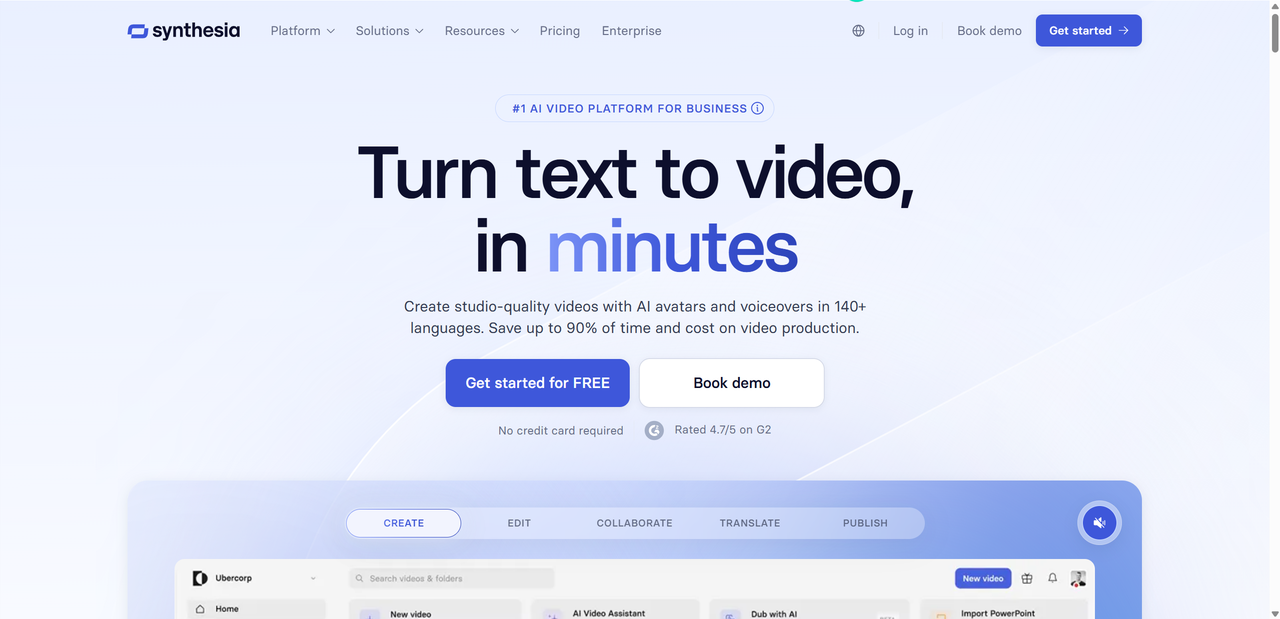
Synthesia takes a very different path from Kling AI by focusing on avatar based video generation rather than cinematic scenes. It is designed for clarity, consistency, and scalability, making it a favorite in business and education settings.
What Synthesia does best
Instead of generating environments or complex motion, Synthesia centers on realistic AI presenters.
Common features include:
- Lifelike AI avatars with natural speech
- Support for dozens of languages and accents
- Script based video creation without cameras or studios
Synthesia is ideal for internal training, onboarding, and product explainers, while Kling AI remains the better choice for visually driven storytelling.
Conclusion — Finding Your Best AI Video Generator in 2026
AI video generation in 2026 is no longer about a single “best” tool, but about finding the right match for your creative needs. Lovart remains my top recommendation for general use, especially when value and reliability are key.

For users whose priority is deep commercial integration, other platforms could be worth evaluating. The best way to choose is to test free plans, experiment with real projects, and see which workflow feels natural. Every creator’s process is different. If you have found a favorite tool or discovered a surprising use case, join the conversation and share your experience.

Condividi Articolo