Best Sora Alternatives in 2026: Top AI Video & Animation Tools Compared

Best Sora Alternatives in 2026: Top AI Video & Animation Tools Compared
OpenAI’s Sora has quickly become one of the most talked about AI video systems in the world. As a powerful Sora AI video generator, it can turn short text prompts into cinematic scenes with motion, lighting, and camera logic that feel surprisingly natural. That popularity, however, has also created friction. Limited access, usage caps, pricing uncertainty, and creative constraints have pushed many creators to actively search for dependable Sora alternatives.
In this guide, I will explore the best Sora alternatives in 2026 and compare how they perform in real creative scenarios. I will focus on practical use cases such as animation quality, storytelling control, creative freedom, and output consistency. You will see how different tools compare with Sora animation tools across art, marketing, and short film creation. I will also introduce standout platforms that give creators strong reasons to look beyond Sora.
Lovart
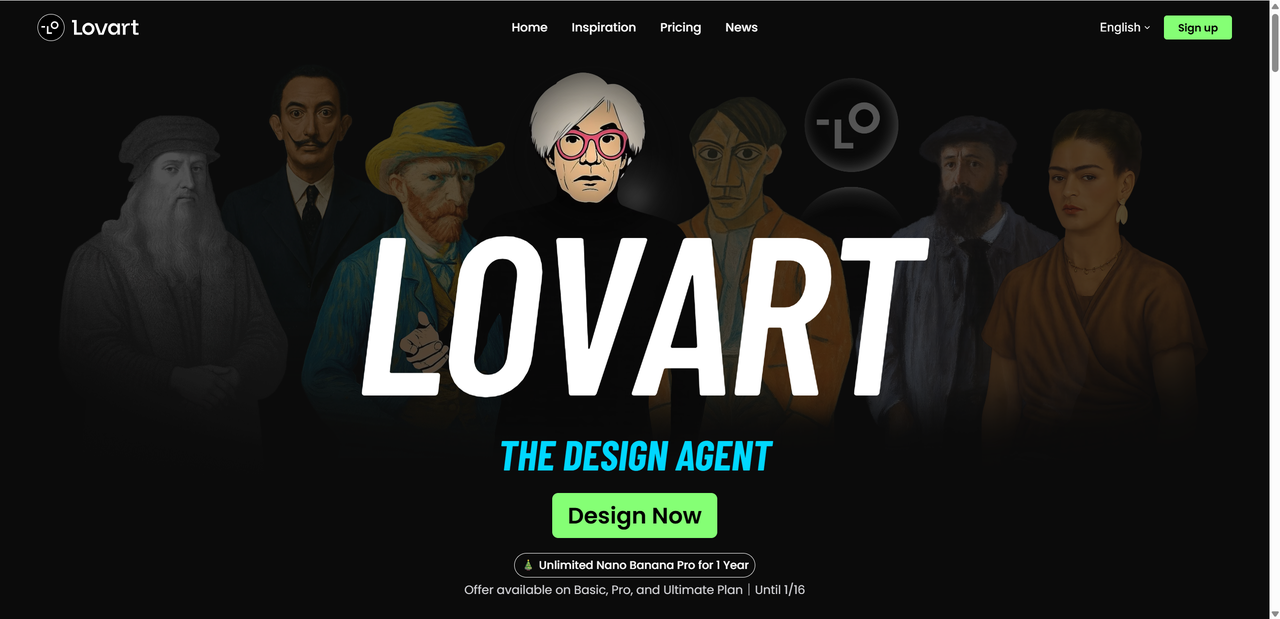
Lovart has emerged as one of the more interesting alternatives to Sora for creators who care deeply about visual storytelling and rhythm. While Sora focuses on high fidelity video generation from concise prompts, Lovart leans into a more iterative, design-oriented creative process, which can feel closer to shaping an animated concept than simply generating one-off clips.
At its core, Lovart is a visual creation platform that supports animation style video generation through repeated prompting and refinement. Rather than automatically managing scenes or pacing, it allows users to gradually shape visual direction, motion style, and overall tone across multiple generations. Compared to Sora’s more experimental outputs, Lovart can feel easier to guide when creators want to maintain a consistent look and feel over a series of shots.
Lovart works best for creative storytelling when the user actively steers the process. By iterating on prompts and visual references, creators can explore scenes without losing the overall emotional tone or visual identity of a project. Artists, indie creators, and brand storytellers often appreciate this slower, more deliberate approach compared to one shot video generators.
Pros:
- Emphasis on iterative refinement and visual coherence
- Easier to guide stylistic consistency than many Sora alternatives
- Friendly for creative experimentation without heavy technical setup
- Well suited for concept stories, stylized shorts, and branded visuals
- A balanced learning curve for both beginners and experienced creators
Lovart may not aim for ultra-realistic video generation, but for expressive visuals and storytelling workflows, it stands out as a compelling alternative to Sora for users who prefer control through iteration rather than one click realism.
Runway ML

Runway ML is often mentioned alongside Sora alternatives when the conversation turns to professional control and advanced workflows. Rather than focusing only on prompt based generation, Runway combines AI video creation with a full suite of editing and post production tools. This makes it feel closer to a modern creative studio than a single purpose generator.
Compared with the Sora AI video generator, Runway offers more hands on control over the final output. Users can fine tune clips, adjust timing, replace backgrounds, and layer effects without leaving the platform. While Sora excels at producing visually impressive scenes from short prompts, Runway shines when creators need precision and flexibility after the video is generated.
Runway’s strengths are especially clear in post production. Features such as object removal, motion tracking, and scene extension allow creators to polish and adapt content for different formats and clients.
Runway ML is best suited for filmmakers, creative agencies, and power users who want deep control over every stage of video creation. It rewards experience, but delivers professional level results.
Pika Labs

Pika Labs is a popular choice among creators who value speed and simplicity over complex controls. As one of the more beginner friendly Sora alternatives, Pika focuses on making text to video creation as fast and approachable as possible.
The platform allows users to generate short animated clips with minimal setup. Compared to Sora, Pika often delivers results faster, making it ideal for rapid ideation, social content, and creative experiments. The interface is clean, intuitive, and designed so that even first time users can produce usable videos within minutes.
Pika’s lower learning curve is one of its biggest advantages. Creators do not need to understand animation theory or advanced settings to get started. This makes it attractive for content creators, marketers, and hobbyists who want quick visual results.
That simplicity does come with trade offs. Pika Labs is more limited when it comes to complex animation, long narratives, or consistent character behavior across scenes. For simple concepts and fast output, however, it remains a strong option.
Kaiber AI
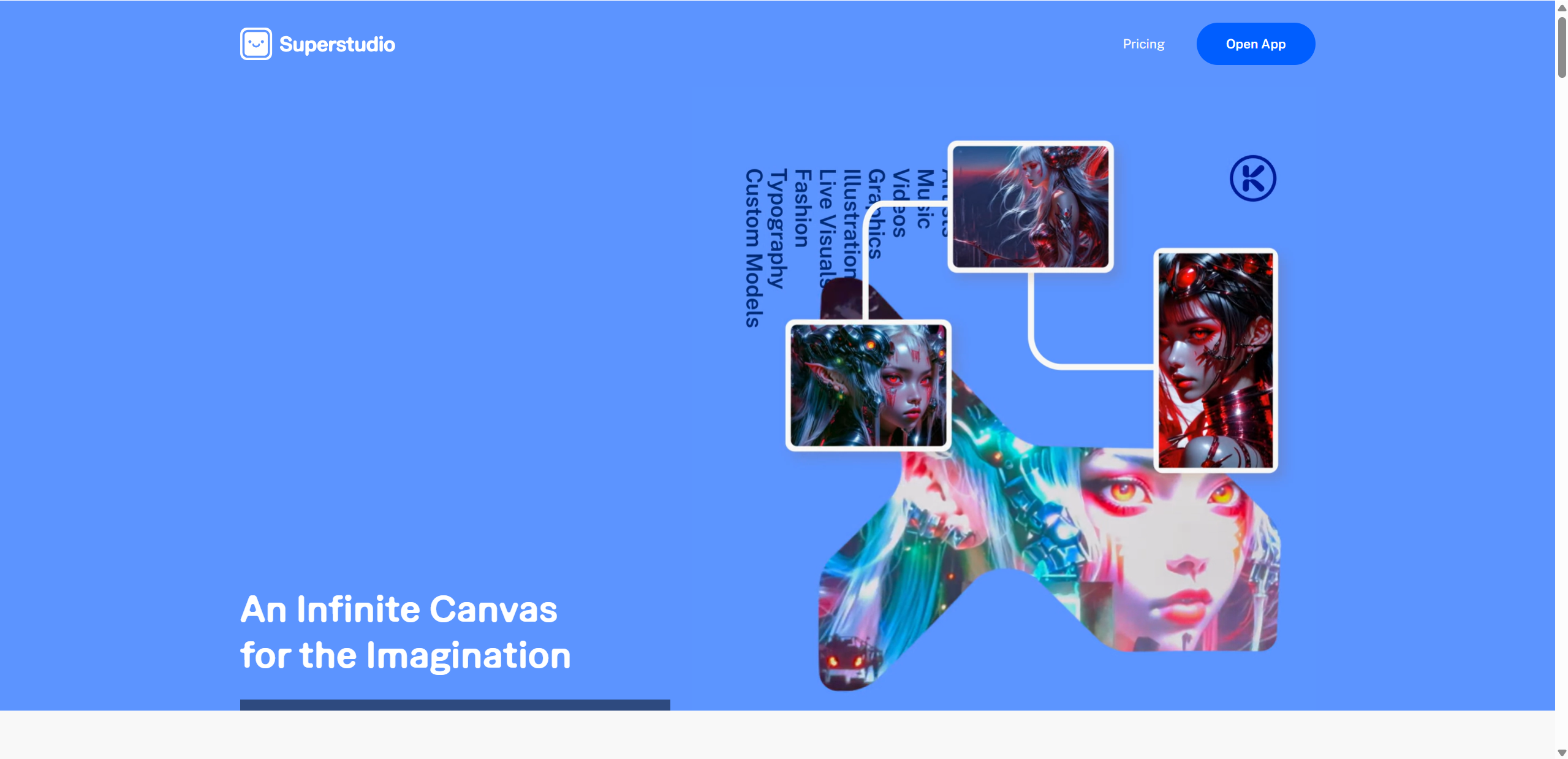
Kaiber AI has built a strong reputation in a specific creative niche, especially among musicians and visual artists. Instead of aiming for general purpose video generation, Kaiber focuses on bold visual styles and rhythmic motion that pair well with audio. This makes it a popular choice for music videos, album visuals, and live performance backdrops.
One of Kaiber’s biggest strengths is its integration with music driven workflows. Users can sync visuals to beats, tempo, and mood, creating animations that feel intentionally designed rather than randomly generated. Compared with Sora animation tools, Kaiber offers less narrative depth but far more stylistic control over abstract and artistic visuals.
Kaiber’s output often leans toward expressive, painterly, or surreal looks rather than realistic scenes. This is a key difference from Sora, which emphasizes cinematic realism and scene logic.
Creators who should choose Kaiber over Sora include musicians, DJs, visual performers, and artists who prioritize atmosphere and rhythm over storytelling. If your goal is to enhance music with striking visuals, Kaiber can be a better fit than more story focused platforms.
Luma AI (Dream Machine)
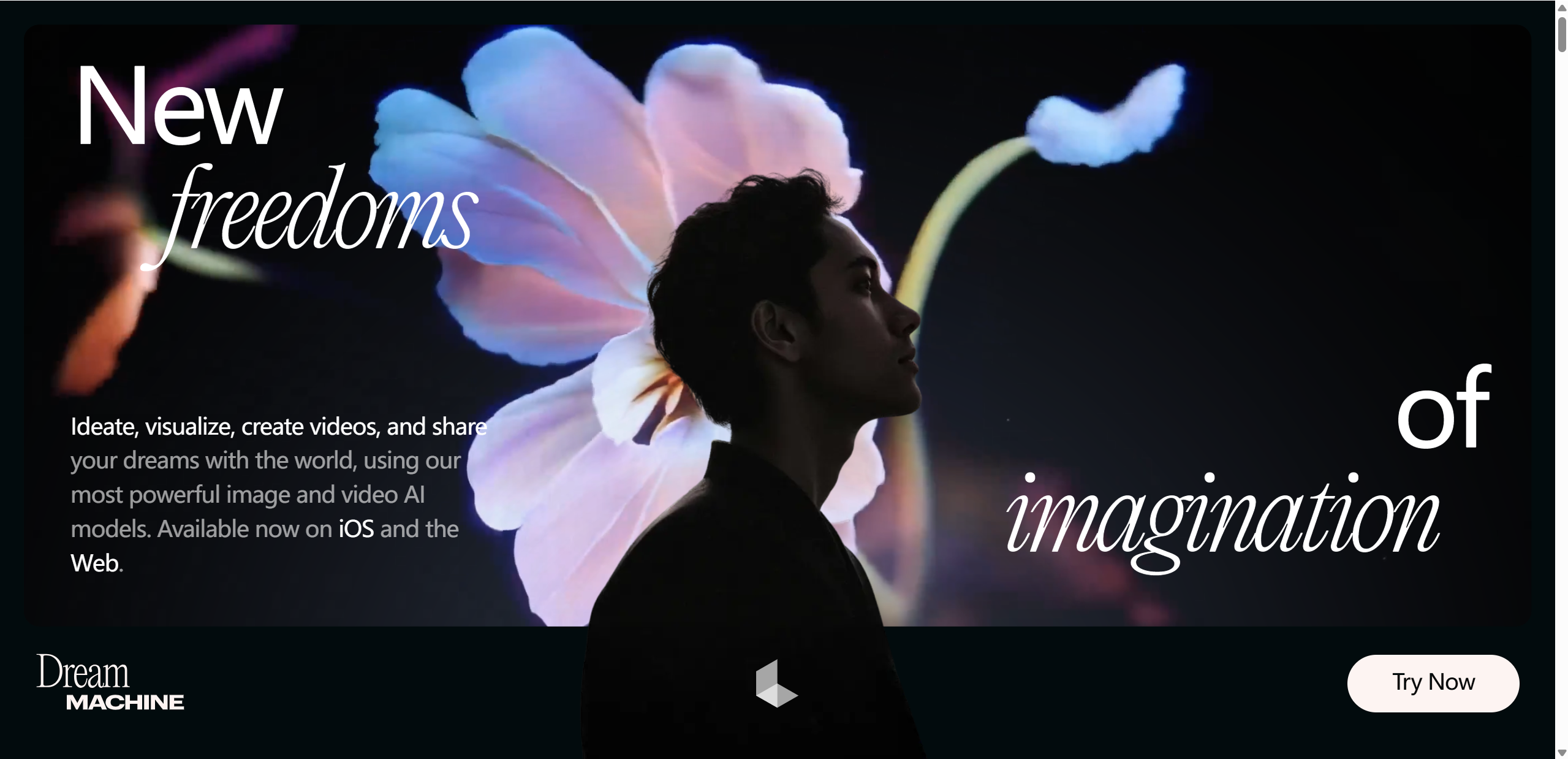
Luma AI’s Dream Machine approaches video generation from a more technical angle, with a strong emphasis on realism and physical accuracy. One of its defining characteristics is physically plausible motion, meaning objects, lighting, and camera movement often behave in ways that feel grounded in the real world.
Compared to Sora, Luma tends to produce more stable environments and believable spatial relationships. This makes it especially effective for realistic scenes, product shots, and environmental visuals. While Sora often leans into cinematic storytelling, Luma prioritizes accuracy and consistency.
Luma can outperform Sora when creators need precise movement, realistic scale, or physically plausible interactions. This is valuable in fields such as architecture visualization, design previews, and technical demos.
The main trade off is creative flair. Luma’s realism can feel less expressive or dramatic than Sora’s cinematic outputs. Creators must decide whether they value technical realism or narrative driven visuals more for their specific projects.
Final Thoughts: Are Sora Alternatives Worth Trying?
There is no single best choice when it comes to Sora alternatives. Each platform brings a different balance of creativity, control, speed, and realism. Sora remains impressive, but it is not always the right fit for every workflow or creator. Exploring alternatives often leads to better results and more creative freedom.
The best approach is experimentation. Try different tools, test real ideas, and see which one fits your style and goals. For many creators, starting with Lovart is a smart move thanks to its storytelling focus and smooth animation flow.

If you have tried any of these tools, feel free to share your experience or pass this guide along to other creators exploring AI video.

Artikel teilen